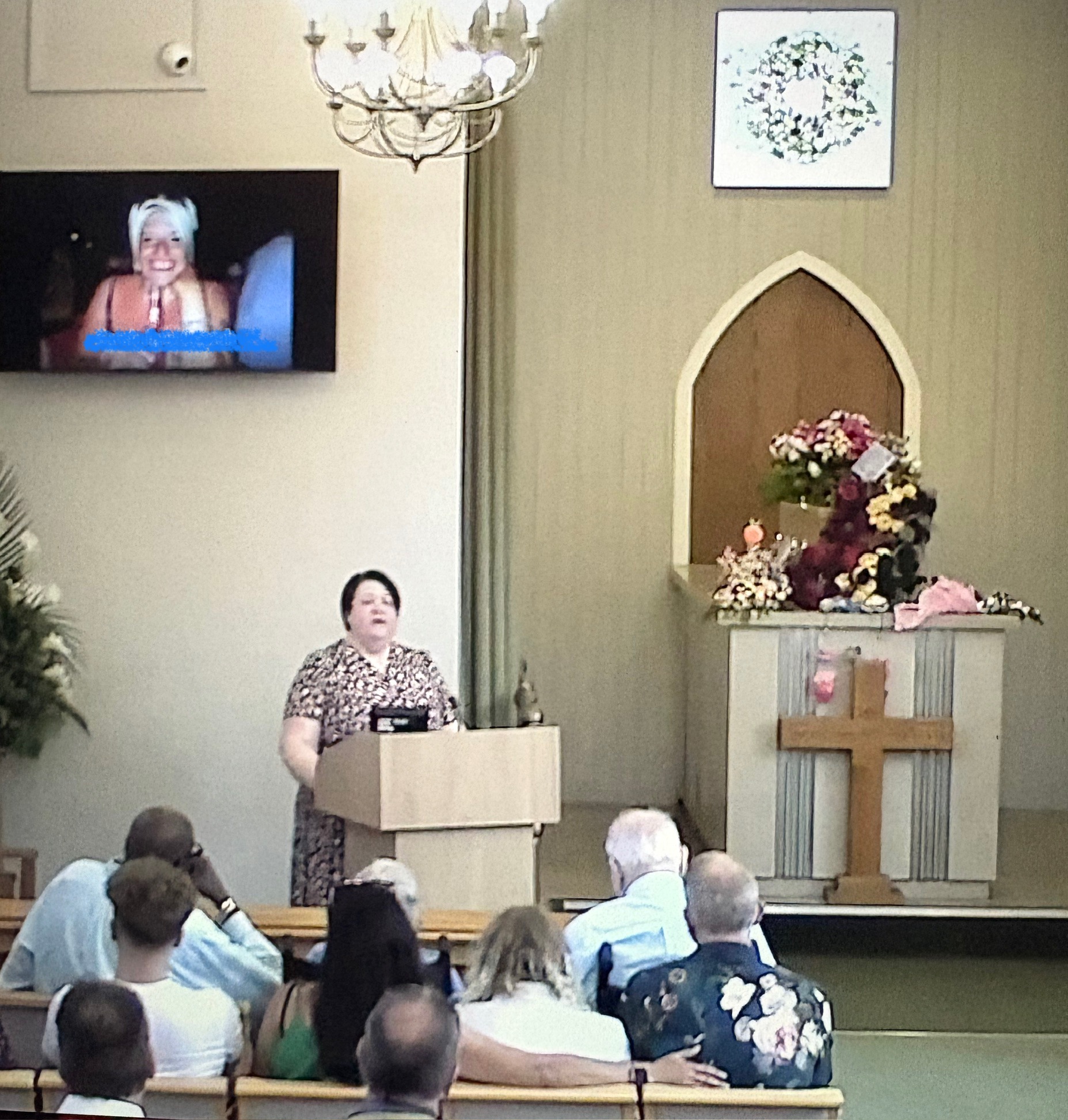
When someone we love dies, the world can feel as though it tilts slightly off its axis. In those moments, clarity, compassion, and gentle guidance matter more than ever. This is where a funeral celebrant steps in, not just as an organiser of ceremonies, but as a steady hand and an open heart.
So, what does a funeral celebrant actually do? The answer lives somewhere between practical support and emotional care, between storytelling and structure, between holding space and guiding a family through one of life’s most tender transitions.
A Guide Through the Practicalities
At its core, a funeral celebrant helps to plan and deliver a personalised funeral or celebration of life ceremony. But this is far from a one-size-fits-all service.
A celebrant will:
- Meet with the family to understand the life of the person who has died
- Help shape the structure of the ceremony
- Offer ideas for music, readings, rituals, and symbolic moments
- Write and deliver a bespoke script that reflects the individual’s story
- Coordinate with funeral directors and venues to ensure everything flows smoothly on the day
From the first conversation to the final farewell, a celebrant becomes a thread that gently weaves all the elements together into something meaningful and cohesive.
Telling a Life Story That Truly Feels Like Them
Every life is a tapestry of moments, relationships, quirks, and quiet triumphs. A funeral celebrant takes the time to listen deeply, gathering stories and memories, and then carefully crafting them into a narrative that feels authentic.
This isn’t about a generic eulogy. It’s about creating a ceremony that captures the essence of a person:
- The way they laughed
- The things they loved
- The impact they had on others
- The legacy they leave behind
A well-crafted ceremony doesn’t just inform. It resonates. It allows those present to recognise, remember, and reconnect.
Holding Emotional Space
Perhaps the most important role of a funeral celebrant is one that can’t be ticked off a checklist.
It’s the ability to hold space.
Grief doesn’t follow a script. It arrives in waves, in silences, in unexpected moments. A celebrant creates an environment where emotions are not only accepted but honoured.
This might look like:
- Offering reassurance when families feel overwhelmed
- Providing a calm, steady presence during difficult decisions
- Allowing pauses and stillness within the ceremony
- Supporting those who wish to speak, read, or participate
A celebrant understands that sometimes what’s needed most is not more words, but the right ones, delivered with care.
Creating Personal and Meaningful Rituals
Modern funerals are no longer bound by rigid traditions. A celebrant helps families explore personalised rituals that feel right for them and their loved one.
This could include:
- Candle lighting or memory sharing
- Music that holds special meaning
- Cultural or spiritual elements
- Moments of reflection or collective participation
- Symbolic gestures such as planting seeds or releasing petals
These rituals become anchors within the ceremony, offering comfort and connection.
Supporting Before, During, and After
A funeral celebrant’s role doesn’t begin and end at the ceremony door.
Support often includes:
- Gentle guidance in the days leading up to the funeral
- A reassuring presence on the day itself
- Follow-up care or signposting to bereavement support if needed – 0r in my case the development of ‘Mourning Brew’ my bereavement support group.
It’s about continuity. About knowing that someone is there to walk alongside you, even if only for a short stretch of the journey.
Why Choose a Funeral Celebrant?
Choosing a funeral celebrant means choosing a ceremony that is:
- Personal rather than prescriptive
- Flexible rather than fixed
- Meaningful rather than routine
It allows families to say goodbye in a way that truly reflects the person they are remembering, whether that’s traditional, contemporary, spiritual, non-religious, or somewhere beautifully in between.
A Final Thought
At its heart, a funeral celebrant doesn’t just lead a ceremony. They help create a moment where grief and love can sit side by side.
A moment where stories are spoken, tears are welcomed, and memories are given room to breathe.
Because saying goodbye is never just about the end of a life. It’s about honouring everything that came before it, and carrying it forward, in our own way, for years to come.
If you’re looking for a compassionate, inclusive, and deeply personal approach to funeral ceremonies, working with a celebrant like Shelley Bell ensures every farewell is handled with care, dignity, and heartfelt attention to detail.